Pink Light, Cold Ice: The Roadside Motel as a Machine for Quiet Terror
The American motel is rarely remembered for its architecture. It is remembered for its intervals: the pause between exit and entry, the hush between passing headlights, the half-hour when the office light burns alone. A motel is a machine for producing thresholds, and the horror writer's task is to listen to the machine. The corridor, the ice machine, the fluorescent hum, the pink glow of the vacancy sign — these are not decorations. They are instruments. Used with patience, they can make an ordinary roadside stop feel like a place that has been waiting for you.
The Corridor as Threshold
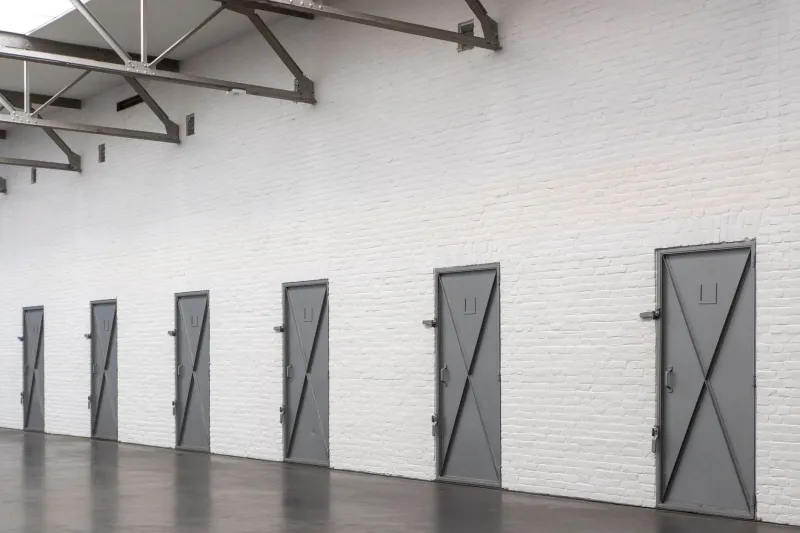
A motel corridor is not a hallway. A hallway implies a destination; a motel corridor implies a sentence without punctuation. The doors are evenly spaced, each one a possible ending. The carpet carries a pattern designed to hide stains, and the walls are thin enough to admit the intimate noises of strangers. The corridor asks the guest to walk past other people's private lives while carrying the key to their own.
Write the corridor as a place where sound arrives before its source. A door closes somewhere ahead; a television murmurs behind you; a cart rattles around a corner that should not be there. The corridor should feel less like passage than suspension. It is the architecture of transience, and transience is a kind of haunting. No one stays long enough to leave a history, so the place fills with the residue of everyone who passed through.
The Ice Machine as Metronome
The ice machine at the end of the hall is the only laboring thing in a corridor of sleep. It clatters, releases, hums, and repeats. It marks time in cubes. In fiction, the machine is useful because it is indifferent. It does not know your character's name, yet its sudden cycle can sound like recognition. The writer should resist explaining this. Let the machine be ordinary. Let the character notice it too much.
Use the ice machine as a beat rather than a symbol. A character hears it and realizes they are not alone. The machine stops, and the silence is worse. Someone fills a bucket, and the sound of falling ice becomes a countdown. The dread comes from the gap between mechanical routine and human attention. The machine is not haunted; the person listening is.
Fluorescent Hum and the Sound of Waiting
Fluorescent light in a motel corridor is not darkness. It is inadequate light, which is more useful to the horror writer. The hum is electrical, not supernatural, but it creates a private frequency. The guest cannot tell whether the sound is in the fixture or in their teeth. The corridor becomes an instrument, and the body becomes a receiver.
Dread accumulates in the intervals between hum and silence. When the hum stops, the silence is louder. When it returns, it seems to have changed pitch. These are small effects, and small effects are the ones that linger. A writer who reaches too quickly for a monster forfeits the corridor's power. The corridor does its work slowly, by making the guest aware of waiting.
The Vacancy Sign's Pink Arithmetic
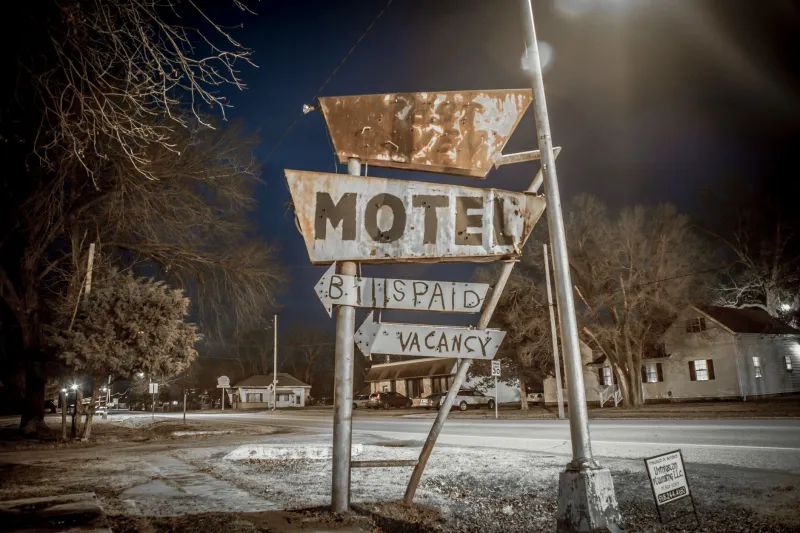
The vacancy sign is a public statement about private need. Its pink glow stains the parking lot, the windshields, the faces of travelers. It says yes, but the corridor says maybe. The sign is arithmetic: VACANCY or NO VACANCY, welcome or refusal, room or no room. At night, the pink light turns the motel into a stage, and every guest becomes a figure in a scene they did not audition for.
Use color as emotional temperature. The pink is not warm; it is clinical and sweet at once. It promises rest and withholds permanence. The motel accepts you and forgets you. That is the horror of hospitality without memory.
Hospitality Turned Inside Out
Motels are designed to make strangers comfortable. Horror reverses the hospitality. The continental breakfast becomes evidence of previous guests. The ice bucket becomes a vessel. The room key becomes a question. The corridor is where hospitality's mask slips, and the writer should look for the small violations: a towel folded differently, a receipt under the bed, a voice in the next room that repeats your words.
Intimate terror is not a monster at the door. It is the sense that the room has been expecting you. The motel is a place of temporary belonging, and temporary belonging is fragile. A writer can make it terrifying by applying pressure to that fragility.
Craft Notes for the Roadside Uncanny
- Anchor the scene in sensory detail: cold metal, damp carpet, the clatter of ice, the hum of a light that never quite settles.
- Keep the supernatural offstage until the corridor has done its work.
- Let architecture behave: doors that stick, lights that flicker on a schedule, a hallway that seems longer on the return trip.
- Use transience as a tool: luggage, wake-up calls, receipts, the sound of a car leaving at 3 a.m.
- End with a small wrongness rather than a spectacle. The motel should remain ordinary. That is what makes it dangerous.
At Silent Darkness, we believe the motel corridor is one of America's most reliable stages for quiet dread. It is not haunted by the dead. It is haunted by the living who pass through and leave a little of themselves in the hum.