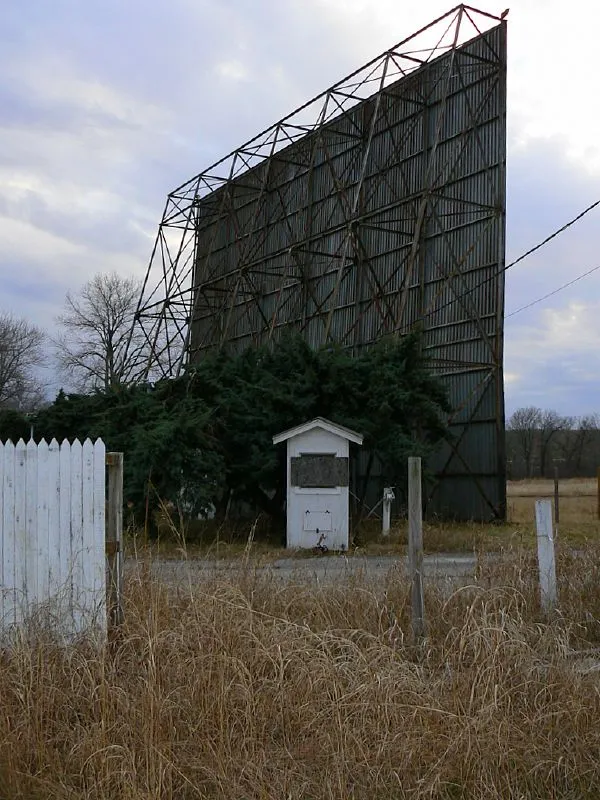
What the House Says After Midnight: Seven Suburban Sounds for the Horror Writer

Photo by Photo by robin mikalsen on Unsplash on Unsplash
The suburbs are often described as silent at night, but that is a failure of attention. The American house after midnight is a chorus of small machines: a sump pump clearing its throat, an ice maker dropping cubes, an attic fan pulling air through a ceiling. None of these sounds is supernatural. That is precisely why they work.
This field guide is for writers and readers who want to use ordinary domestic noise as atmosphere. The method is simple: establish a baseline, vary one parameter, and let the source remain unseen. The horror does not require a ghost in the ductwork. It requires a house that seems to be doing its job a little too personally.
1. The Sump Pump: The House Clearing Its Throat
The sump pump sits in a pit in the basement or crawlspace, triggered by a float switch. When groundwater rises, the pump clicks, hums, and pushes water out through a discharge line. The sound is mechanical and wet: a short gurgle followed by a motor's complaint.
To tune it, let the pump run when it should not. The rain ended two days ago. The ground is dry. The pump cycles at 2:17 a.m., then again at 2:19. The character does not hear a voice. They hear water being moved from beneath the slab, which is worse. The pump is not haunted. It is reporting.
2. The Ice Maker: The Small Collapse
The ice maker is a machine of automatic hospitality. A valve opens, water fills a tray, cubes drop with a clatter into the bin. In a full house, the sound is background. In an empty house, it is a small event.
Use the ice maker as an interruption. A character is listening for something else and the machine drops a load of cubes. The sound is ordinary, but the timing is not. Let the character count the cycles. Let the freezer door remain closed. The dread is not that the ice maker is alive. The dread is that the house continues to prepare for guests who are not coming.
3. The Attic Fan: The Breath Above the Ceiling
A whole-house fan pulls air through open windows and pushes it into the attic. The sound is a low roar, sometimes accompanied by a shutter rattle. The house seems to inhale.
Craft the fan as a pressure change. Curtains lift. A door pulls shut. The ceiling feels lower. Then the thermostat clicks and the fan stops, leaving a silence that is more exposed than the noise was. If the fan starts again without being set, the character can blame a stuck relay. The reader will not.
4. The Automatic Sprinkler: The Clockwork Rain
A sprinkler system announces itself with a solenoid thunk, a hiss of pressure, and the tick-tick-tick of a rotor. It is a machine of scheduled care, watering the lawn whether anyone is awake or not.
Use the schedule as a character. One zone runs at 3:00 a.m. even though the controller was unplugged. Or the sprinkler wets only a single patch of lawn, round and dark, while the rest stays dry. The sound outside the window becomes a vigil. The neighborhood is being maintained by something that does not need an audience.
5. The Garage Door Opener: The Mechanical Welcome
The garage door opener is a chain, a motor, and a light. It announces arrival. In the dark, it becomes a mouth: the door rises, the light spills out, and the house seems to welcome someone.
Let the door open without a car. Let it stop halfway. Let the safety beam be broken by nothing the character can see. The horror is not the door itself but the pause. The opener waits for an obstruction that is not there. The garage holds its breath.
6. The Furnace: The Winter Confession
A furnace ignition is a whoosh, followed by the blower's steady breath. Ducts knock as they expand. A filter whistles. The house speaks through its vents.
Use the furnace as a rhythm. It cycles longer than it should. The warm air carries a dust smell that is almost familiar. A character hears a sound in the duct and attributes it to expansion. The explanation is plausible. The repetition is not. The furnace is not confessing a secret. It is simply heating the house, and that is enough to make the house feel occupied.
7. The Screen Door: The Softest Intrusion
The screen door is a threshold that does not quite close. Its spring stretches, the frame slaps, the latch catches late. It lets in air and sound but not safety.
Use the screen door for the smallest intrusion. A character hears the spring stretch, then the slap, then nothing. The latch does not catch. The house has been entered by a sound. The screen door is not a locked boundary; it is a suggestion of one. That is why it belongs at the end of the list.
Craft Notes: Tuning the Ordinary
First, establish a baseline. Let the reader learn the house's normal sounds before you vary one. Second, use maintenance language: the pump cycles, the fan pulls, the furnace ignites. Technical words make the ordinary feel observed. Third, keep the source unseen. The moment the character inspects the attic, the sound loses power. Fourth, use neighboring houses as a chorus. One garage door opens; another answers. Finally, end with silence after the sound. The absence is where the reader will place the fear.
The suburban night is not silent. It is a system of machines doing their jobs. The horror begins when the job seems personal.