The Organ Stops, the Floor Keeps Turning: Crafting the After-Hours Roller Rink
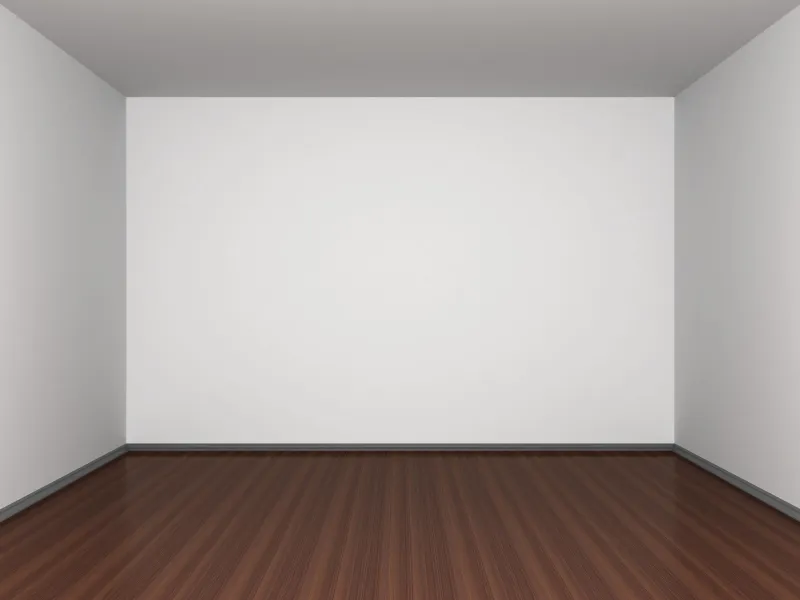
Photo: empty roller rink disco ball wooden floor fluorescent lights, via i.pinimg.com
The American roller rink was never designed for stillness. It was designed for the blur of it — the wobble of beginners hugging the wall, the low arc of a speed skater cutting the center, the couples who found each other during the slow song and lost each other before the lights came up. Every decision in the building serves motion: the scuffed maple floor, the rail that hums under a hundred damp palms, the disco ball whose only purpose is to scatter movement into the corners and the cheap carpet alike.
Which is why the room becomes so unnerving when the movement stops.
A Room That Expects a Body in Motion
Stand inside a rink on a Tuesday afternoon with the lights half-up and the organ silent, and you will notice that the architecture is waiting. The benches face the floor. The rail is set at the height of a nervous thirteen-year-old's hand. The snack bar's neon still ticks, the nacho cheese still turns in its slow orange rotation, and the floor — resurfaced, cold, unmarked — glows like something preserved rather than used.
This is the first lesson for the horror writer: a liminal space is not one that has been abandoned. It is one that has been left mid-gesture. The rink does not read as dead. It reads as paused, and pausing implies a hand on the switch.
The Carpet Holds the Louder Archive
Every rink in America keeps two records of itself. The floor keeps the public one — the gouges, the darkened paths where skaters learned to cross over, the ghost of a center circle worn pale by a thousand pivots. The carpet keeps the private one. That carpet, that particular interstellar or confetti or black-light-splatter carpet, has absorbed spilled orange drink, gum, hair spray, tears in the parking lot vestibule, and the specific perfume of a decade that no longer sells it.
Write the carpet before you write the ghost. Describe what it has swallowed. A room's upholstery is always more honest than its signage.
End the Music Before the Scene Begins
The temptation is to haunt the rink during a skate. Resist it. A busy rink is a social space, and social spaces are loud enough to drown the small sounds that do the real work. The horror lives in the twenty minutes after closing, when the DJ has unplugged the console and the overheads click on one bank at a time.
Consider what happens to a body's memory of rhythm when the beat is removed. Patrons report — half joking, half not — that the floor still feels like it is moving. Use that. Give your character a moment of vertigo on flat, motionless ground. Let them steady themselves on a rail that has no reason to be warm.
The Rental Counter as Confessional
The counter is your rink's rectory. Behind it sit the numbered skates, the spray bottle, the size chart taped to the laminate, the ledger of who took what. In a working rink it is bureaucracy. After hours, it becomes a register of the borrowed — and anything borrowed can be returned by someone other than the borrower.
Craft note: an object with a number on it is automatically eerie. Size 7. Lane 4. Locker 19. Numbers imply a system still running, and a system still running implies an authority still awake.
Stage the Courtship, Then Withdraw It
The rink's true subject was never skating. It was the couples' skate, the backward glide, the chaste negotiation of hands, the wallflower bench where the not-yet-chosen sat with their coats in their laps. The building was a machine for producing adolescent longing and then dispersing it into the parking lot at ten o'clock.
That is your haunting. Not a corpse in the ball pit, but the ache of a feeling that never got to finish. Write the last skate as an interrupted sentence. Give your ghost a want so small it is almost embarrassing — one more song, one more lap hand in hand, one more chance to be seen under the ball's rotating light.
The Last Lap
The rinks are closing, or converting: into churches, into storage, into churches inside storage. What remains is a fluorescent shell with a floor that remembers better than the town does. Treat it as a secular reliquary, and write it with the reverence such a room has earned. Do not explain the ghosts. Simply note that the organ has stopped, that the lights are up, that the door is chained — and that the floor, patient and level and gleaming, is still turning very slightly underfoot.