Eleven O'Clock and a Match: Reading Horror as a Midnight Ritual
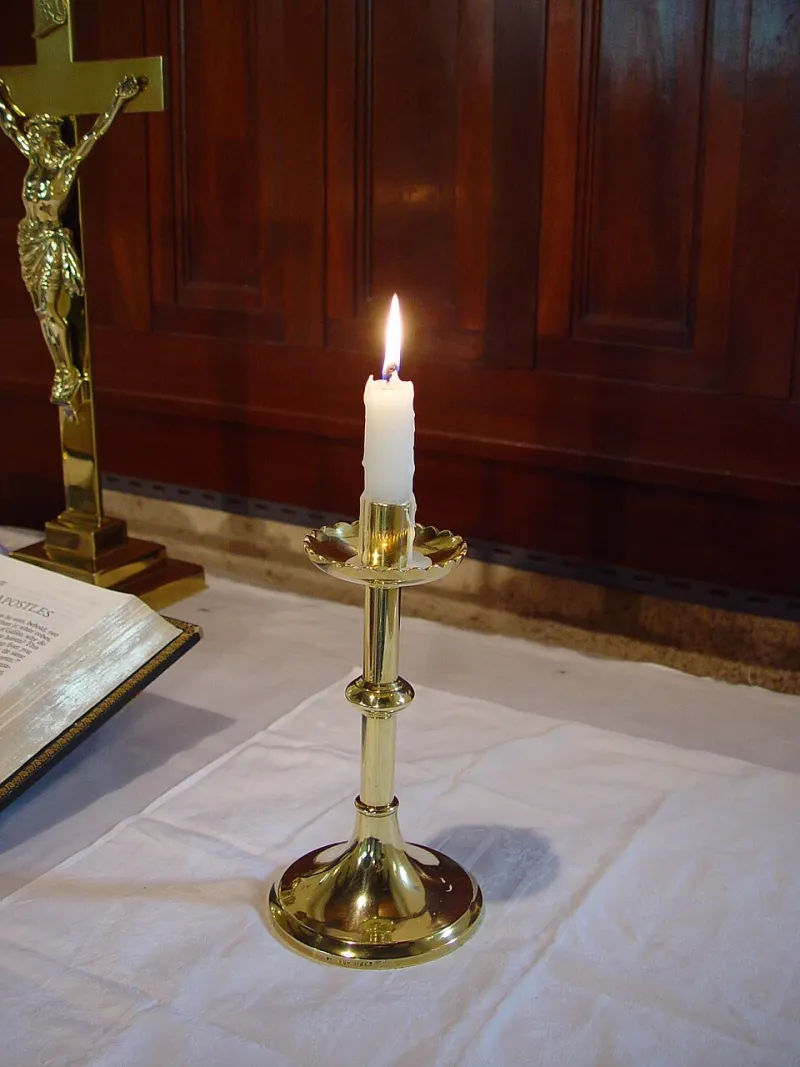
Photo: Leon Brooks, Public domain, via Wikimedia Commons
Every serious reader of the macabre eventually discovers that when you read matters as much as what. A haunted-house novella consumed on a lunch break is a curiosity; the same book, read at midnight during a rainstorm with a single candle burning, becomes an event — a small journey into territory the daylight self would never authorize.
Consider this a travel guide, then. Not to places, exactly, but to hours and weathers — the destinations of the reading life. Pack light. Bring matches.
The Storm-Night Novella: 10 P.M., Rain Mandatory
Certain novellas were engineered for the sound of rain on glass. Anything in the tradition of the classic American ghost story — Henry James's The Turn of the Screw remains the gold standard — rewards a storm. The thunder functions as punctuation; the wind handles the sound design.
The ritual: one beeswax candle, unscented. Scented candles are an insult to the genre. Read until the storm ends, then stop, even mid-sentence. The book will wait. The dark will not.
The Winter's Dead Hour: 2 A.M., First Frost
For the deepest cuts, the hours after two in the morning belong to the weird tale. Algernon Blackwood and Arthur Machen traveled this territory a century ago, and contemporary underground writers — the small-press authors collected in anthologies like the Years Best Weird Fiction series — have kept the road open.
The ritual: no candle at all. The blue glow of a reading lamp dimmed to its lowest setting, snow or frost on the window as your only witness. Read standing up, if you must, by the cold glass. Do not read more than three stories. At this hour, they compound.
The Dusk Verse: 6:30 P.M., October
Gothic poetry is a twilight art. Emily Dickinson's darker hymns, Edgar Allan Poe's "The Raven," and the contemporary verse of writers like Gretchen Marquette or the collected dark lyric in journals such as The Dark Man all ask for the hour when the light is leaving — when the trees outside have begun to look like something else.
The ritual: read aloud. Poetry written in the gothic mode was built for the breath. One candle, placed behind you, so the shadow falls across the page like a curtain half-drawn.
The Dawn-Creeping Elegy: 4:30 A.M., Late Summer
The strangest destination on the itinerary: those hours when the birds start before the sun. Shirley Jackson's The Haunting of Hill House — or its verse cousin, the long confessional nightmare — reads differently in the last dark, when the night is technically ending but has not yet admitted it.
The ritual: the first candle of the morning, lit while the sky is still black. Finish as the light arrives. The genre's cruelest trick is making sunrise feel like a surrender.
The Return Journey
No guide to reading as travel would be complete without a word on coming home. Open a curtain. Make tea. Let the ordinary reassert itself — the dishes, the commute, the neighbor's dog. The books will keep their appointments.
The point of ritual reading is not performance. It is agreement: a contract between reader and text that says I will meet you where you live. Horror written for midnight keeps strange hours. The reader who honors them is rewarded with the one thing daylight reading can never provide — the sense of having actually gone somewhere, and come back with the fog still on your coat.