Glow in the Dark: American Folklore's Migration to the Screen
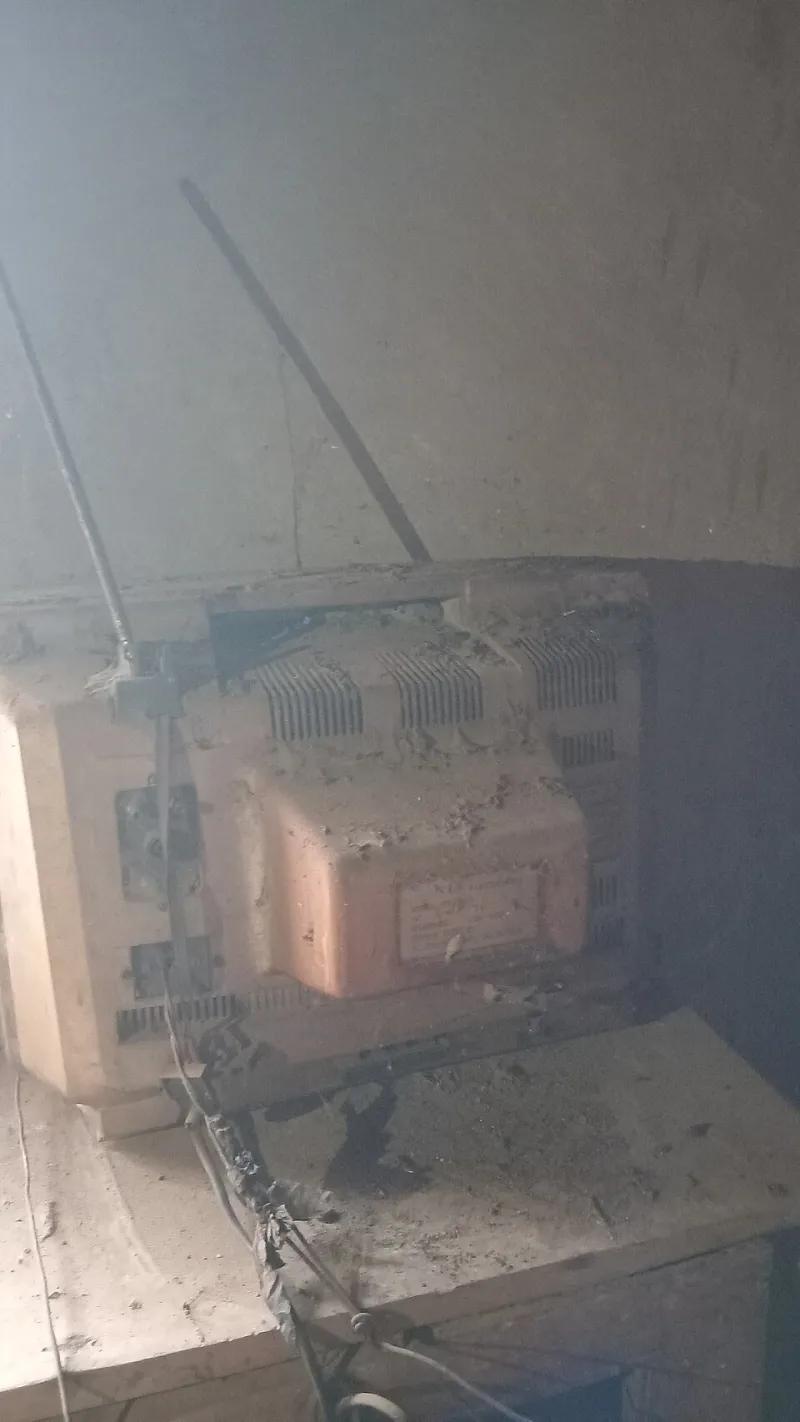
Photo: Nabunje Leticia, CC BY-SA 4.0, via Wikimedia Commons
Every generation of American folklore has had a medium. The tall tale had the frontier newspaper. The ghost story had the porch and the dark beyond it. Our legends now live in the devices we cannot put down — and the folklore has adapted, as folklore always does, to the shape of its container.
The Babysitter, Now Watching Back
The old legend of the babysitter and the phone call — the prank caller upstairs, the traced call, the children asleep in the next room — has quietly migrated to the webcam. In contemporary variants, the sitter notices the laptop's indicator light glowing, or a baby monitor streaming to a phone she never opened. The terror has shifted from the stranger in the house to the stranger already inside the network. The lesson is unchanged and still unbearable: you were never alone, and someone has been watching the whole time.
The Tape That Should Not Play
Analog horror gave digital folklore a physical relic to worship. The genre — born on video platforms but obsessed with VHS artifacts, emergency broadcast interrupts, and degraded public-access footage — flourished in the late 2010s and remains a distinctly American form. Series built around corrupted children's programming and government broadcasts tap into a specific national anxiety: the fear that the official voice on the screen knows something it will not say. The static is not empty. It never was.
The Feed That Follows
The newest layer of the folklore was born in the feed itself. Short-form video has produced its own legends — challenges that must not be completed, accounts that post footage no one filmed, characters who appear in the background of strangers' videos. The TikTok-era creepypasta differs from its forum ancestors in one crucial way: it arrives in the same scroll as the mundane. The dread is sandwiched between dance trends and recipes, which may be the most honest portrait of contemporary fear yet — horror as an interruption, not an appointment.
What the Screens Reveal
Read together, these legends chart a shift in the American imagination. Earlier folklore feared the outside: the road, the woods, the hitchhiker. Screen folklore fears the inside of the device — surveillance, recording, the impossibility of being unobserved. The dark room is now the lit one, and the monster does not knock because it already has access.
There is a pilgrimage quality to it, too. Fans of analog horror travel to the real filming locations of fictional tragedies; communities document abandoned broadcast towers in rural Pennsylvania and decommissioned public-access studios in the Midwest, standing before the hardware the way earlier generations stood before haunted houses. The shrine has changed shape, but the impulse — to stand near the place where something went wrong — persists.
Folklore has never needed to be true. It needs only to be repeated, and the screen is the most efficient repetition machine ever built. The campfire is still burning. It is six inches from your face, and it is watching you back.