Heirlooms We Dare Not Name: Reader Confessions from the Dark Side of the Attic

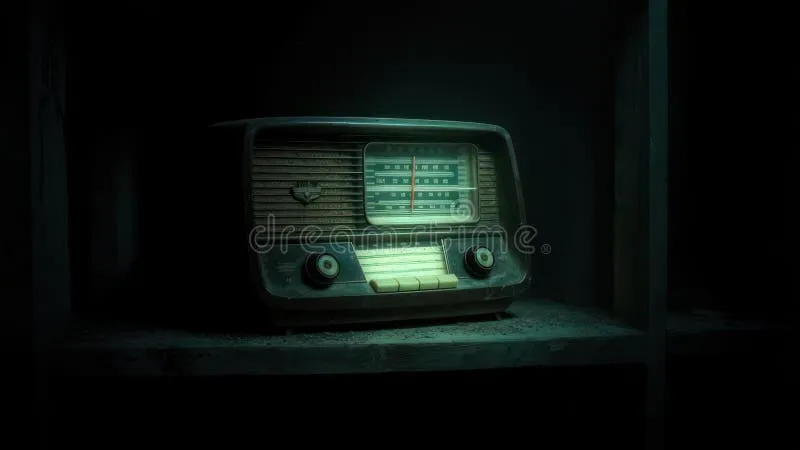
Photo: PattayaPatrol, CC BY-SA 4.0, via Wikimedia Commons
The Call We Put Out Into the Dark
Last month, we asked a simple question: What object in your home can you not explain — and cannot throw away?
The responses arrived the way confessions always do at midnight. Slowly at first, then all at once. A grandmother's hand mirror from a shuttered Ohio farmhouse. A wedding band pulled from a lake in Wisconsin, its engraving worn to nothing. A child's coat, bought for a dollar at a church rummage sale in Pennsylvania, that the family dog refuses to walk past.
What struck us was not the strangeness of these accounts. It was the sameness. Across every region and generation, readers described the same quiet arithmetic: the object costs nothing, means nothing, proves nothing — and yet discarding it feels like an invitation. So it stays. In a drawer. On a high shelf. Facing the wall.
Why Americans Keep the Unverifiable
There is a particular national quality to this clinging. We are, by temperament and history, a country of secondhand things. Our attics hold objects whose provenance dissolved somewhere between the old country and Ellis Island, between the estate sale and the storage unit. A European heirloom may come with a paper trail centuries deep. The American heirloom comes with a story — my mother said it came from her aunt, who was married twice, and the first one... — that trails off exactly where the dread begins.
The unverifiable past is the engine of American object-horror. We cannot confirm what the thing witnessed, so our imagination signs the paperwork on its behalf.
A Writer's Guide to the Possessed Ordinary
For those of you who write the dark, these confessions double as a syllabus. Here is what they teach.
Ground the object in transaction. Readers rarely feared the object that was given in love; they feared the object that was bought, found, or inherited under unclear circumstances. Commerce and death leave residue. A yard sale is a séance with price stickers.
Let the object refuse explanation. The strongest anecdotes contained no supernatural event at all — only a pattern of small refusals. The clock that runs but never quite matches the hour. The photograph where one face is always slightly out of focus, no matter the scanner. Dread lives in the gap between what the object does and what it should.
Anchor it to a room, not a person. The most persuasive confessions located the object spatially: the basement stair that creaks differently on the fourth step when the box is up there. Place is verifiable; a haunting is only a rumor until the floorboards swear to it.
End before resolution. Not one reader reported throwing the object away. Not one reported learning its full story. The confession form, at its heart, is an unfinished sentence — and your story should be too.
The Inventory as Ritual
Perhaps this is why the horror genre keeps returning to inventories: the catalog of effects in a dead man's estate, the list of items left in the abandoned house. An inventory is a promise that everything will be accounted for, and object-horror is the art of breaking that promise by exactly one item.
So we leave the call open. Send us the thing on your shelf that faces the wall. Tell us what you were told about it — and what you suspect instead. The dark keeps excellent records, even when we do not.
Submissions may be sent through the site's contact page. Names withheld on request. We will not return the photographs.