The Long Exhale: Why the American Ghost Story Refuses to Yell
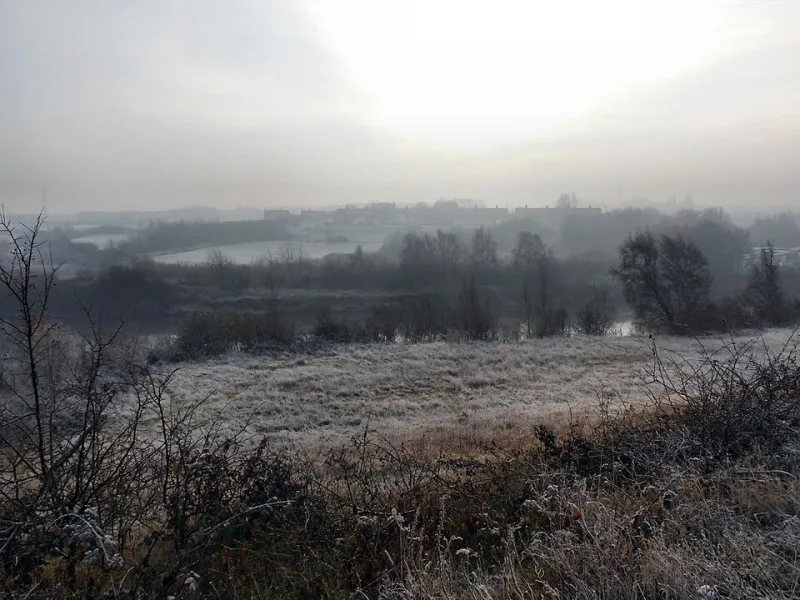
Photo: derek dye , CC BY-SA 2.0, via Wikimedia Commons
American horror writing has grown impatient. This is not a complaint about the genre's popularity; it is a complaint about its tempo. Too many stories now treat dread as a delivery system for shocks, as if the reader must be startled every few pages or they will wander off. The jump scare has become the default punctuation mark. But a punctuation mark is not a sentence.
The Impatience of the Modern Jump
The jump scare is easy to write and easy to forget. It is a loud noise, a sudden movement, a face in the window. It works once. After that, the reader learns the trick. They begin to expect the burst of noise, and the story becomes a series of doors slamming in an empty house. The house is not haunted. It is just loud.
The slow ghost story asks for something harder: patience. It asks the writer to trust the reader's imagination. It asks the story to hold its breath. The American ghost story has always known how to do this. It is our oldest literary habit, and we have been forgetting it.
What the Regional Ghost Knows
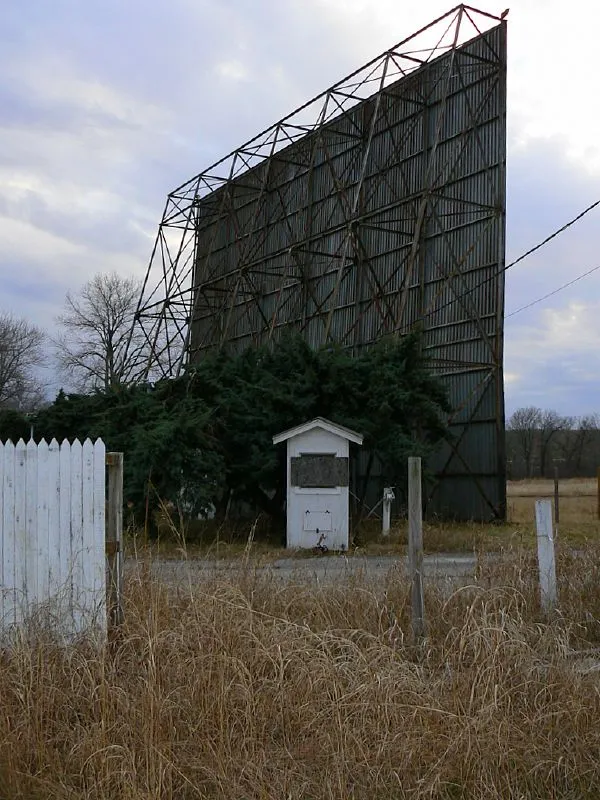
The American ghost is regional. It belongs to a house in New England with a cellar that floods. It belongs to an Appalachian hollow where the road ends. It belongs to a Southern town where the heat makes everyone speak slowly. It belongs to a Midwestern farmhouse with a windbreak of dead elms. The ghost is not generic. It is local, and that is what makes it credible.
When you root a ghost story in place, you give it a body. The reader believes in the house before they believe in the ghost. They believe in the smell of the cellar, the sound of the screen door, the way the light falls through the parlor. Then the ghost can arrive quietly, because the place is already real.
The Awful Pause
The most powerful tool in the slow ghost story is the pause. Not the pause before the scare, but the pause after the suggestion. The character hears a step on the stairs. The story does not rush to explain. The character waits. The reader waits. The step does not come again.
That pause is where dread lives. It is the moment when the reader's mind begins to furnish the dark. If you fill the pause with a monster, you have ended it. If you leave it empty, the reader will fill it with something worse.
Restraint as Architecture
Think of restraint as a kind of architecture. A good haunted house is not made of jump scares; it is made of rooms that are the wrong size, doors that do not close, windows that look into other windows. The horror is in the plan. The same is true of the story.
Build your slow ghost story the way you would build a house. Establish the ordinary. Let the reader learn the floor plan. Then make one small change. A chair that is not where it was. A clock that is five minutes slow. A photograph that has been turned to the wall. Do not explain. Let the change sit in the room. The reader will notice, and they will not forget.
Rebuilding the Slow House
The case for the slow ghost story is not a case against fear. It is a case for fear that lasts. The loud shock is disposable. The quiet dread is durable. It follows the reader out of the story and into their own house. It makes them listen to the stairs.
So write the slow story. Write the regional story. Write the story that trusts the pause. Let the ghost be patient. Let the house be real. Let the dark do its work. The American ghost story does not need to yell. It never did.